
Things to know before dental tourism are often overlooked by international travelers preparing for dental treatment abroad. Dental tourism isn’t just about choosing a clinic; it also involves schedules, communication, costs and the overall travel experience. Oravina Travel offers a practical perspective to help you understand what you need to know before making a decision. Read on to avoid common mistakes.
Cheap prices don’t always mean good planning
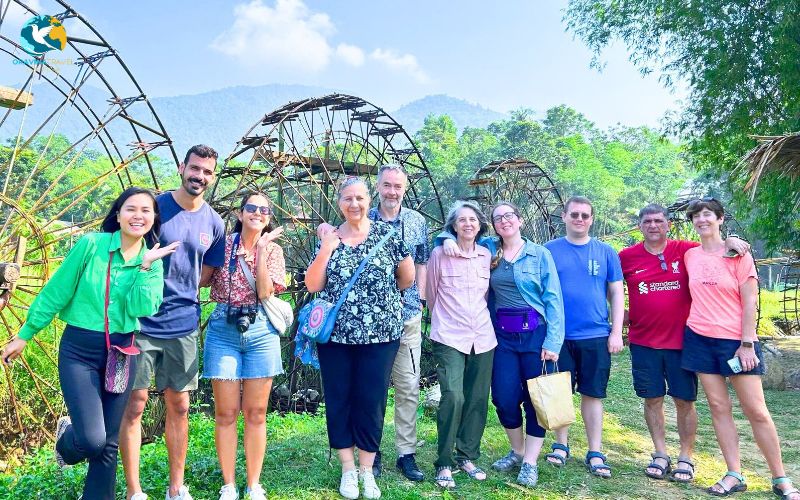
Support throughout the trip
One of the most common misconceptions when researching dental tourism is that low prices equate to good options. In reality, low cost is only an advantage, not the sole determinant of the quality or safety of a dental trip abroad.
Many tourists, especially first-time dental tourists, are often attracted by very cheap advertisements, overlooking crucial factors such as treatment procedures, recovery time and post-treatment care plans. Without adequate preparation, initial savings can lead to unforeseen risks in terms of time, cost, or unsatisfactory results.
This is one of the things to know before dental tourism that newcomers often overlook. Instead of just comparing prices, tourists should look at the overall picture: treatment plan, clinic standards, doctor’s experience and support throughout the trip.
Dental tourism runs on medical timelines, not travel schedules
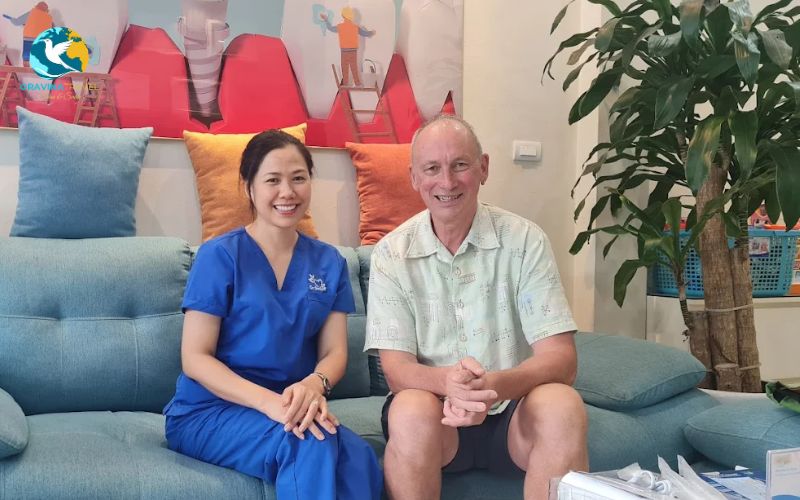
Clients still need to schedule appointments
One of the biggest misconceptions for tourists doing dental tourism is thinking they can “get their teeth done in a few days,” just like arranging a regular vacation. In reality, dentistry operates on medical timelines, not travel schedules. This is a crucial but often overlooked thing to know before dental tourism.
Each dental service has its own treatment and recovery time. For example, implants are completely unsuitable for very short schedules because they require time for implant integration, monitoring and follow-up appointments. If planned incorrectly, tourists may have to extend their stay or return multiple times, impacting both cost and experience.
Conversely, some services are more suitable for short-term dental tourism, such as porcelain veneers, single crowns, teeth whitening, or scaling. However, even with these services, clients still need to schedule appointments, fittings and post-treatment follow-up.
Communication affects results more than you think
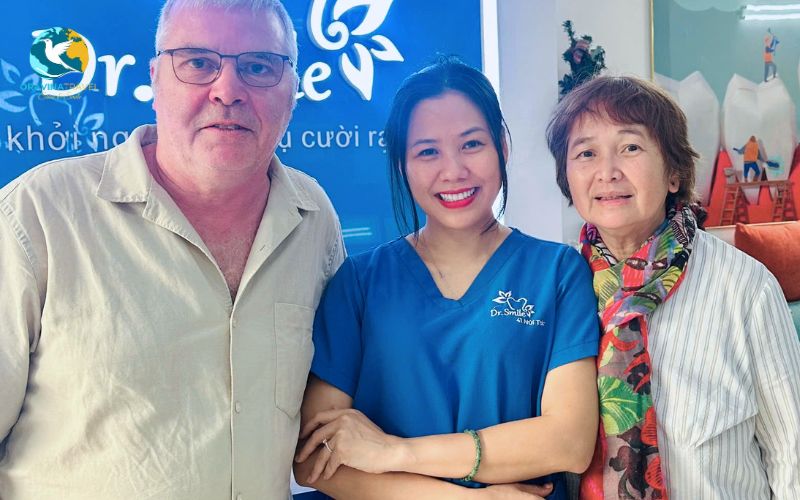
It’s crucial for the dentist to understand your needs
In dental tourism, communication isn’t just about questions and answers; it’s crucial for the dentist to understand your needs. With highly aesthetic procedures, even small differences in tooth color, length, or shape can lead to unsatisfactory results. This is one of the things to know before dental tourism that many visitors only realize after treatment has begun.
In reality, not every clinic has extensive experience working with international clients. Without clear communication procedures or appropriate language support, misunderstandings about aesthetic desires are very likely, especially with veneers or cosmetic dental crowns.
Therefore, a key thing to know before dental tourism is to ensure that communication is fully and consistently supported throughout the treatment process. When information is clearly communicated from the start, visitors significantly reduce the risk of needing adjustments or being disappointed with the final outcome.
Not all clinics meet international standards.
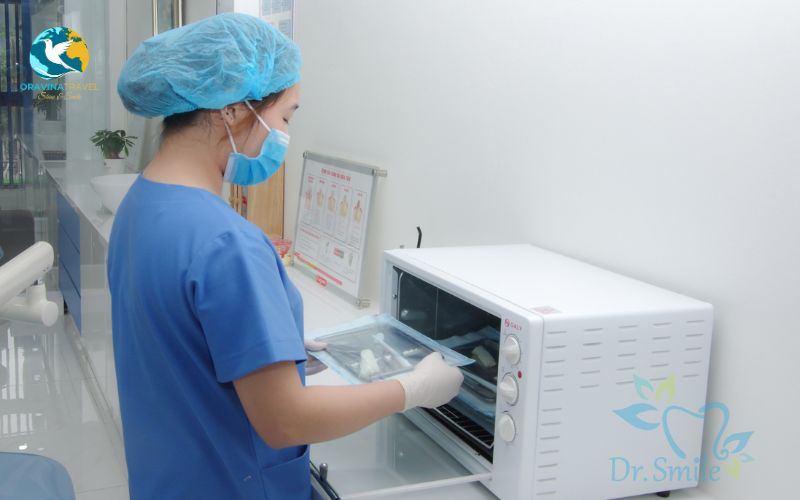
Clear sterilization system
One important fact that tourists need to know when doing dental tourism is that not all clinics meet international standards, even if they are located in the same country. The difference in quality between dental clinics can be significant, from sterilization procedures and materials used to treatment technology. This is a crucial but often overlooked thing to know before dental tourism.
To identify a standard dental clinic, visitors should pay attention to the following factors:
- Clear sterilization system: Separate disinfection procedures, instruments are packaged and processed according to medical standards.
- Separate dental instruments: Each patient uses a separate set of instruments, minimizing cross-contamination.
- Transparent dental materials: Clear information on origin, brand and warranty policy.
- Application of modern technology: Equipped with 3D Cone Beam CT scanners, intraoral scanning and CAD/CAM systems.
- Professional work process: Examination – consultation – treatment – follow-up are clearly presented.
These are essential things to know before dental tourism, helping travelers avoid the risk of choosing the wrong clinic simply because of low prices or attractive advertisements. By understanding the differences in standards between dental clinics, international visitors can make safer and more appropriate decisions for their dental tourism trip.
Not all travel activities are suitable after treatment.
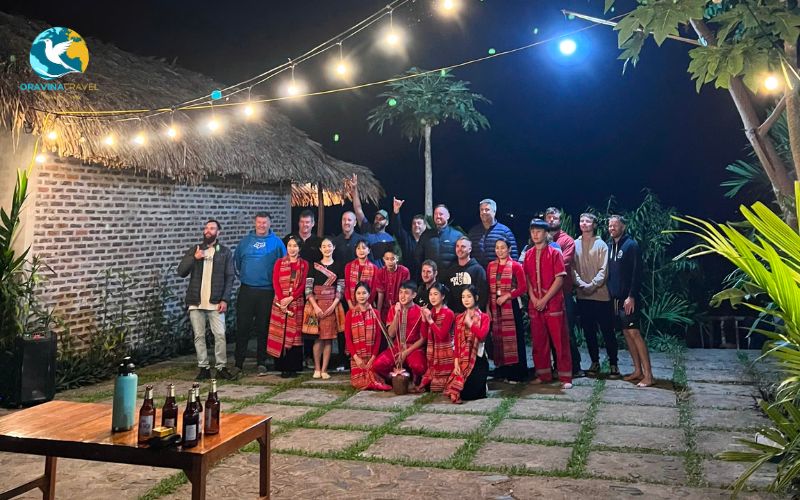
Designed with a focus on travel first
Experiences requiring a lot of travel, such as trekking, long motorbike tours, or packed schedules, can cause fatigue, especially after procedures like implants, veneers, or crowns. For this reason, at Oravina Travel, most dental tourism itineraries are designed with a focus on travel first, treatment later and proper recovery.
Travelers will participate in sightseeing and experiential activities in the first few days while their bodies are still energetic, before moving on to dental treatment. After treatment is completed, the schedule is adjusted gently to allow travelers time to rest and recover properly. This is one of the things to know before dental tourism to ensure the trip is both effective for treatment and provides a comfortable and fulfilling travel experience.
Dental tourism is safest when it has a coordinator who handles both treatment and travel

The balance between medical treatment and recovery
One of the most important things to know before dental tourism is the balance between medical treatment and recovery. Dental tourism is only truly safe and effective when a professional agency coordinates both elements. If traveling independently, tourists can easily fall into a situation where their schedule is too packed or they participate in strenuous sightseeing activities immediately after surgery, leading to exhaustion and directly affecting the oral recovery process.
With our deep understanding of both dentistry and travel, Oravina Travel helps international tourists avoid experiences that don’t meet expectations. Instead of letting you navigate through thousands of pieces of information on your own, we select the most reputable clinics for you and create a personalized itinerary. We know exactly which treatments require how long the recovery period, allowing us to arrange a suitable sightseeing schedule and help you avoid risks such as pain or infection from overexertion.
Choosing the right partner, like Oravina Travel, is key to optimizing costs and ensuring complete peace of mind. We are not just a travel agency, but also a local guardian, supporting you from language barriers to complex logistical procedures. Understanding the things to know before dental tourism and trusting a professional coordinator will transform your trip into a truly relaxing vacation with the perfect smile you desire.
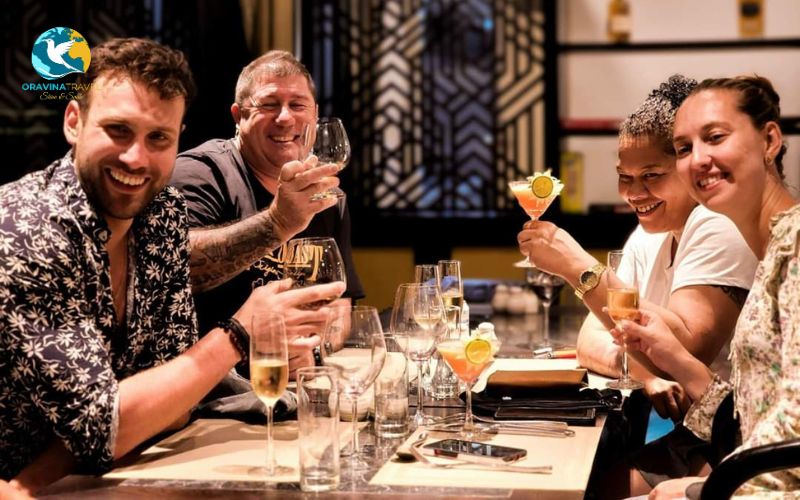
Supporting you from language barriers to complex logistical procedures
Things to know before dental tourism will help you better understand the factors that directly affect treatment outcomes and your trip experience. As a partner with international travelers, Oravina Travel is ready to assist you in building a safe and suitable dental tourism itinerary.
Contact Info
Address: No. 57 Bat Su Street, Hang Bo Ward, Hoan Kiem District, Hanoi
Hotline/Whats app: +84911228968
Website: https://oravinatravel.com/
Facebook: https://www.facebook.com/Oravinatravelvietnam
Instagram: https://www.instagram.com/oravinatravel01/
Email: oravinatravel01@gmail.com